



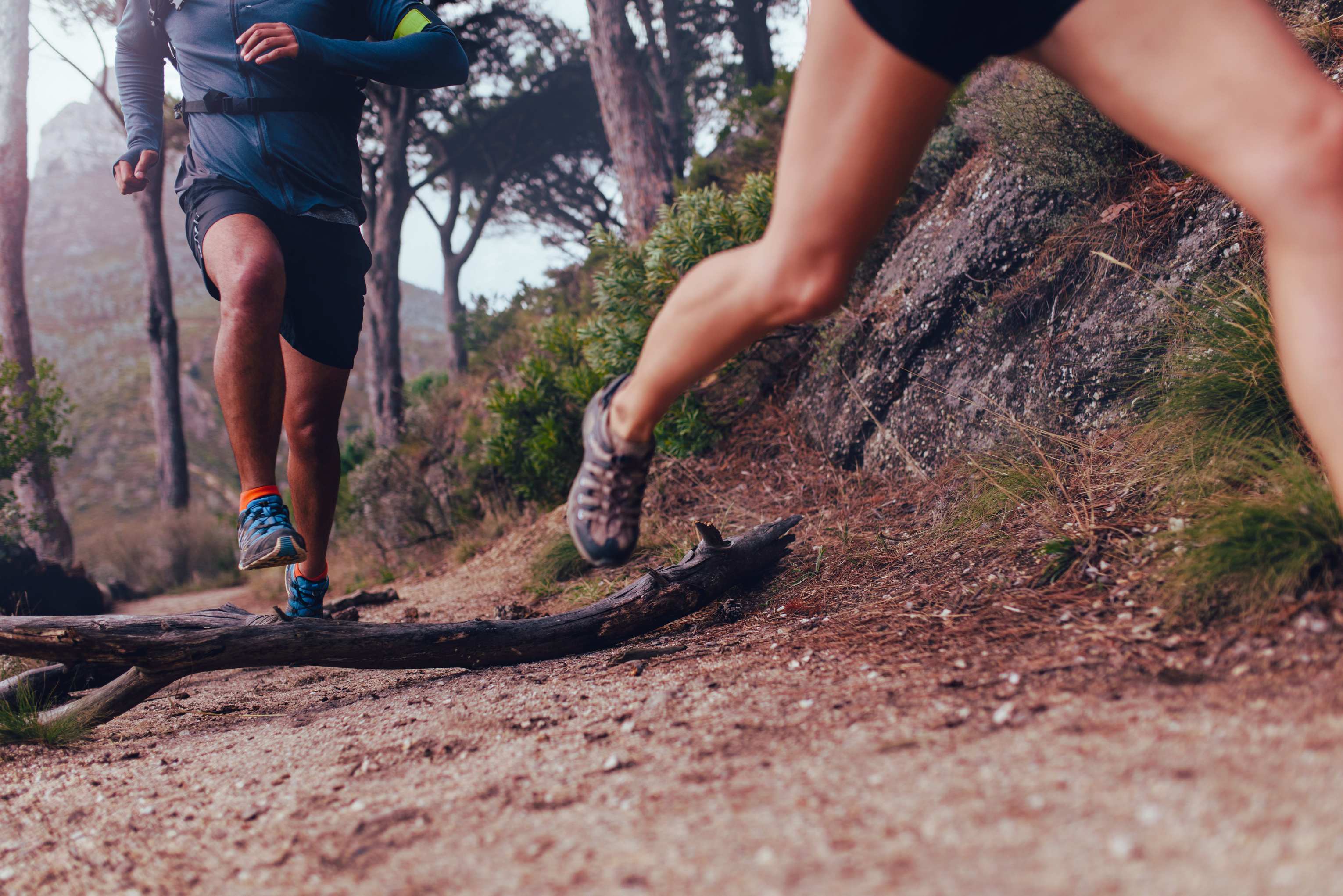
Trail running isn’t just running on dirt. It’s a shift in how you move, think, and experience a run.
In places like Melbourne and across Victoria, trails can change quickly, from compact gravel paths to rocky climbs and muddy forest tracks. The right trail running shoes don’t just improve performance, they give you confidence with every step.
Whether you’re new to trail running or looking to upgrade, this guide will help you understand what matters and how to choose the right pair.
Why Trail Running Feels Different (And Why People Love It)
Road running is predictable. Trails are not.
Instead of chasing pace, trail running is about:
- Exploring new terrain
- Adapting to changing surfaces
- Enjoying the run itself, not just the result
That unpredictability is exactly why your shoes matter more.
What Makes a Trail Running Shoe Different?
Trail running shoes are built for control, grip, and protection on uneven terrain. Here’s what sets them apart:
Grip That Adapts to the Trail
Trail shoes are designed to keep you grounded when the terrain becomes unpredictable. Deeper lugs on the outsole dig into dirt, gravel, and mud, delivering reliable traction where road shoes would struggle to hold their footing.
Many trail shoes also use specialised, softer rubber compounds that allow the outsole to flex and respond to uneven ground. This adaptability helps maintain grip across changing surfaces, giving you confidence whether you’re climbing, descending, or navigating technical sections of the trail.
With the right grip underfoot, every step feels more controlled, more secure, and ready for whatever the trail throws your way.
Stability on Uneven Surfaces
Trail shoes are designed to feel steady and supportive, helping keep your foot secure when the ground shifts beneath you. With added structure, grip, and control, they give you the confidence to move across unpredictable terrain.
This becomes especially important on:
- Rocky trails, where precision footing matters
- Steep descents, where control helps reduce slipping and sliding
- Loose terrain, where traction and balance work together to keep you stable
The right trail shoe doesn’t just protect your feet – it helps you stay in rhythm, adapt quickly, and move with assurance across ever-changing surfaces.
Protection Where It Counts
Trail shoes are built to protect without holding you back. Features like rock plates and reinforced uppers work together to shield your feet from harsh terrain, so you can focus on the path ahead with confidence.
They help guard against:
- Sharp rocks that can press up through the ground
- Tree roots that can catch and disrupt your stride
- Trail debris that can be unpredictable underfoot
Think of it as armour that adapts with you –lightweight, flexible, and ready to absorb the impact of the trail while still allowing your feet to move naturally.

Cushioning for Longer Runs
Cushioning plays a key role in keeping your run comfortable, especially when covering longer distances or running on firmer, harder-packed trails. It helps absorb impact, reducing strain so you can stay out longer and feel fresher with every step.
Different runners prefer different feels:
- Softer cushioning for a plush, comfortable ride that helps ease pressure over longer distances
- Firmer cushioning for a more responsive, stable feel that keeps you connected to the trail
The right cushioning strikes a balance between comfort and control, supporting your stride while letting you move naturally over changing terrain.
Waterproof vs Non-Waterproof (GORE-TEX Explained)
Waterproof trail shoes, such as those using GORE-TEX, are designed to keep water out, helping your feet stay dry and protected in challenging conditions.
They’re ideal for:
- Wet conditions
- Muddy trails
- Cold or unpredictable weather
However, in warmer or drier conditions, non-waterproof trail shoes are often the better choice. They allow your feet to stay cooler and perform well when things heat up.
Non-waterproof options:
- Drain water faster if you step through puddles
- Dry more quickly after getting wet
- Feel more breathable, helping manage heat and moisture
Choosing between waterproof and non-waterproof comes down to the conditions you expect and how your body responds on the run. The right choice helps you stay comfortable, efficient, and ready for whatever the trail brings.
See our waterproof shoes here
Choosing the Right Trail Shoe for Your Terrain
Not all trails are the same, and your shoes shouldn’t be either.

1. Road to Trail (Gravel & Compact Paths)
Best for beginners or mixed runs.
Look for:
- Lighter shoes
- Shallow lugs
- Road-like cushioning
Great for transitioning from road running.
2. All-Terrain Trails (Dirt, Forest, Moderate Hills)
Your everyday trail running setup.
Look for:
- Balanced grip
- Cushioned ride
- Durable outsole
This is where most runners start and stay.
3. Technical Terrain (Rocky, Steep, Uneven)
Where things get serious.
Look for:
- Aggressive lugs
- Rock plates
- Maximum stability
Control becomes everything here.
4. Everyday & Walking Use
Not every trail shoe is for running.
Some are perfect for:
- Walking
- Travel
- Wet weather days
Comfort and versatility lead the way.
When Should You Replace Your Trail Running Shoes?
Most trail running shoes last around 500–800km, depending on terrain and usage.
Signs it might be time:
- Worn-down lugs (less grip)
- Slipping on loose surfaces
- Flattened cushioning
- Visible upper damage
On trails, worn shoes don’t just feel different, they perform differently.
Trail Running Gear That Makes a Difference
Shoes are the foundation, but a few extras can elevate the experience:
- Trail running socks → reduce friction and improve durability. See our tech socks here.
- Technical apparel → breathable, lightweight, adaptable
- Hydration options → essential for longer runs
Small upgrades, big difference.
Trail Running in Melbourne & Victoria: What to Expect
If you're running locally, you’ll likely encounter:
- Gravel paths and park trails
- Forest terrain with loose dirt
- Wet and muddy conditions in cooler months
That’s why versatility matters. Many runners benefit from having:
- A general trail shoe
- A waterproof option for winter
Start with the Right Fit
There’s no single “best” trail shoe, only the right one for your:
- Foot type
- Running style
- Terrain
That’s where expert fitting makes the difference.
At Active Feet, we help match you to the right shoe based on how and where you run, not just what’s popular.
Ready to Hit the Trails?
Trail running opens up a completely different way to move. Less pressure. More exploration. Better connection to the run. If you’ve been thinking about trying it, now’s a great time.
Visit us in-store for a personalised fitting Or explore our Trail Shoe Sale with up to 30% off selected styles here