



Kids Footwear: Facts and things to consider when buying School Shoes
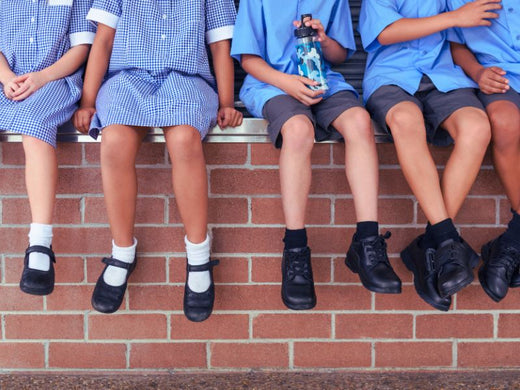
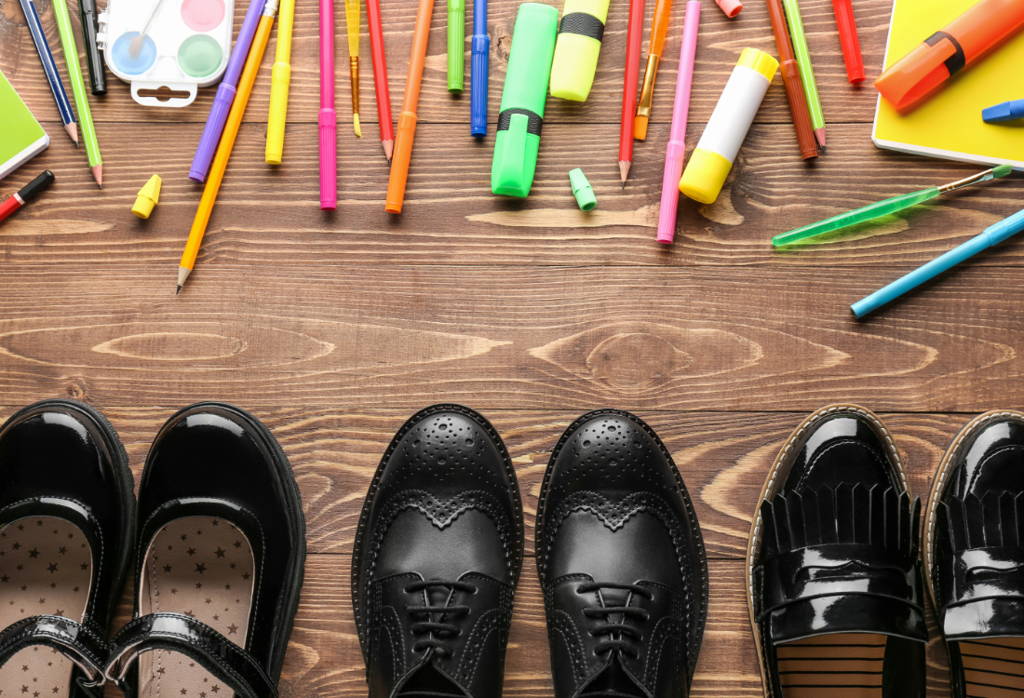
Choosing the right kids’ school shoes isn’t just about getting through the school year – it’s about supporting healthy foot development during the most important growth years. Many adult foot problems begin in childhood, which is why podiatrists emphasise early footwear choices. With kids spending more than 1,200 hours a year in their school shoes, getting the right pair of school shoes truly matters.
Why School Shoes Matter for Kids’ Foot Health
Children’s feet go through around 30 different sizes from birth to adulthood — and 21 of those sizes happen during childhood. Their feet are still developing, and inappropriate footwear can interrupt that process.
Key Foot Facts for Parents
Children’s feet contain 26 bones, all still forming and soft.
These bones don’t fully harden until ages 13–17.
Younger kids often have flatter feet, with arches forming around ages 6–7.
Kids’ feet are mostly soft cartilage, which means tight shoes can actually reshape the foot over time.
Girls take an average of 10,000–13,000 steps per day, and boys take 12,000–16,000 – so support truly matters.
Good school shoes help growing feet develop correctly while supporting kids through long school days, running at recess, and everything in between.
Why Regular Shoe Fittings Are Essential
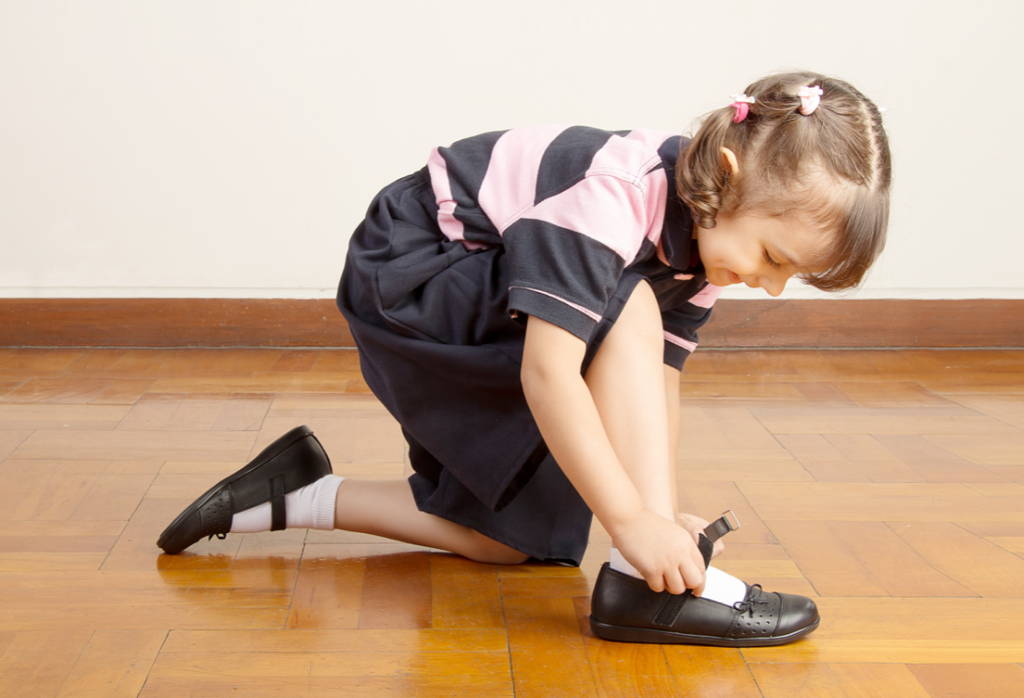
Because children spend so much time in their school shoes – approximately 1200 hours each year – regularly checking their fit is crucial. Shoes that are too small can:
deform toes
restrict natural growth
cause long-term structural issues
lead to discomfort and pain
Our fitters can monitor length, width, depth, ankle support, heel grip, and gait – ensuring each child walks naturally and comfortably.
Six-Point Checklist for Choosing the Right School Shoes
These six elements are used by podiatrists and professional fitters when selecting the right kids’ school shoes:
1. Length
There should be one child’s thumb-width between the longest toe and the end of the shoe.
Less space = discomfort and fast outgrowing
Too much space = instability and tripping
2. Width
Shoes must accommodate the natural shape of the foot.
Too narrow = pressure, rubbing, blisters, calluses
Brands like Clarks and Surefit offer multiple width options
3. Depth
The shoe should not feel tight across the top of the foot.
Insufficient depth can:
restrict movement
cause discomfort
create long-term foot issues
4. Ankle Support
Good school shoes should offer a firm heel counter and stable ankle fit.
No digging
No rubbing
No collapsing around the ankle
This helps with alignment and stability.
5. Heel Grip
The heel should sit comfortably against the back of the shoe.
Not too tight
Not slipping
Secure and stable
6. Watch Them Walk
A gait check tells you more than any measurement.
Look for:
natural, relaxed movement
no slipping at the heel
no leaning inward or outward
no tripping or stiffness
If something looks “off,” the shoe probably isn’t right.
How Long Should School Shoes Last?
Most children need new school shoes every 6–12 months, depending on:
growth
activity level
walking pattern
wear and tear
We recommend a fit check every school term.

Extra Tips for Healthy School Feet
Choosing the right kids’ school shoes is not only about fit — it’s also about selecting the correct style and construction to support healthy foot development. Here are extra expert recommendations parents should follow:
1. Choose School Shoes With Proper Fastenings
As a general rule, children’s shoes should have:
Laces
Velcro straps
Buckles or secure fastenings
- These help keep the foot stable inside the shoe. Avoid backless, slip-on, or loose-fitting shoes, which can cause instability and force children to grip with their toes.
2. Pick Breathable Materials
Look for materials such as:
Leather
Canvas
Breathable synthetic uppers used in brands like Ascent
- Breathable shoes help keep feet cooler, dryer, less prone to blisters, less smelly, more comfortable throughout long school days
3. Avoid Heels on Children’s Shoes
Heeled shoes are not suitable for developing feet. They can:
strain the Achilles tendon
alter natural walking patterns
reduce stability
negatively affect long-term foot development
- For kids, always choose flat, supportive school shoes with an even, stable sole.
4. Look for a Grippy Sole
A textured or patterned sole helps children stay safe, offering:
better traction
reduced slipping
more confidence on wet or smooth surfaces
- This is especially important given how active kids are during recess and sport.
5. Choose Flexible and Protective Soles
Good school shoes sole should be:
sturdy and thick enough to protect from sharp objects and ground impact
flexible enough to bend at the forefoot (where the toes naturally bend)
- If a sole twists too easily through the middle or bends in half, it won’t support growing feet properly.
6. Always Seek Professional Fitting Help
Because children’s feet grow rapidly — often multiple sizes per year — getting fitted by a trained professional is recommended.
At Active Feet, our podiatric-trained staff provide:
FREE biomechanical assessments
Treadmill video gait analysis
Specialised measurements
Brand and style recommendations (Ascent, Clarks, Surefit, Ecco)
- This ensures each child gets the perfect size, shape, and level of support for their individual foot needs.
To finish, a few simple habits can make a big difference for growing feet. Pair school shoes with breathable, high-quality socks such as Balega or Feetures to reduce moisture and improve comfort. Avoid buying shoes “to grow into,” as oversized footwear can change the way kids walk and lead to long-term issues. Regularly check for worn soles, rubbing or uneven wear, which can signal that it’s time for a new pair or a refit. And finally, encourage children to develop good habits, like undoing their laces or Velcro properly when taking shoes off, to help maintain the structure and lifespan of their school shoes.
Final Thoughts
Picking the right kids’ school shoes is about more than uniforms — it’s about protecting foot health during the most important developmental years. With expert fitters and trusted brands like Ascent, Clarks and Surefit, Active Feet ensures every child walks into school with comfort, confidence, and the right support.
In addition to school shoes, if your child needs quality footwear for sport or play, we also stock a wide selection of kids’ running shoes designed for comfort, stability and growing feet from Asics, New Balance, Nike, Reebok and Mizuno. Our range includes netball, football, running and casual shoes to support every active adventure. Browse our kids’ shoe range here.